Start with the job the surface must do
First decide what would make the surface fail in use. On a lobby rail, a dark cross-grain patch may be the complaint. On a frequently cleaned enclosure, handling and cleaning compatibility matter. Inside process pipe, a decorative adjective may be almost irrelevant beside the approved product and service requirements.
Write that purpose above the schedule. Shade exposed faces on the drawing and note the approval lighting for visual work. Where the surface performs a technical function, cite the project document that defines it. A supplier can now flag a conflict instead of guessing which objective wins.
Nor can polishing rescue a poor material decision. Grade, fabrication, contamination, exposure, cleaning and maintenance remain connected. The World Stainless fabrication resources give useful background; the project designer still makes the selection.
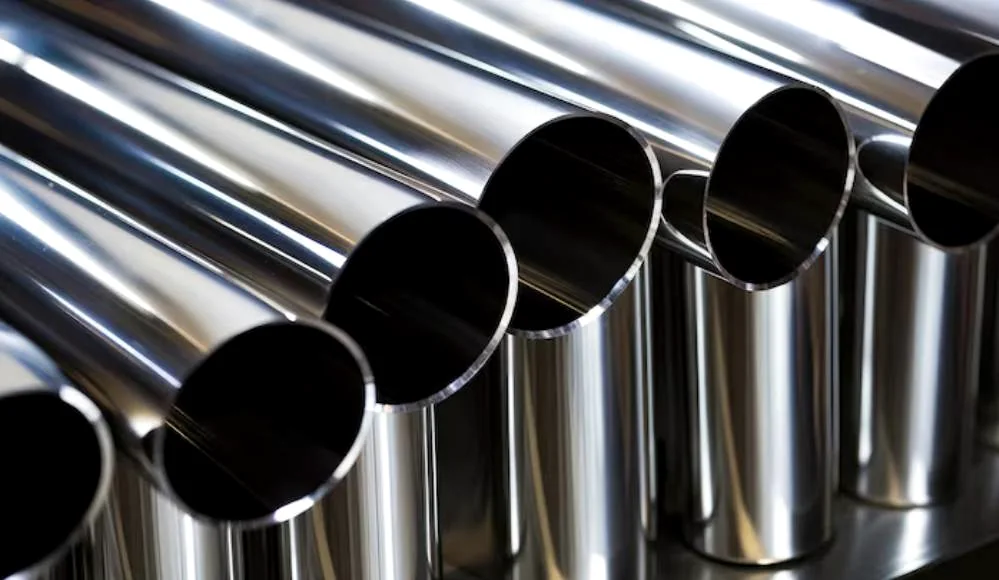
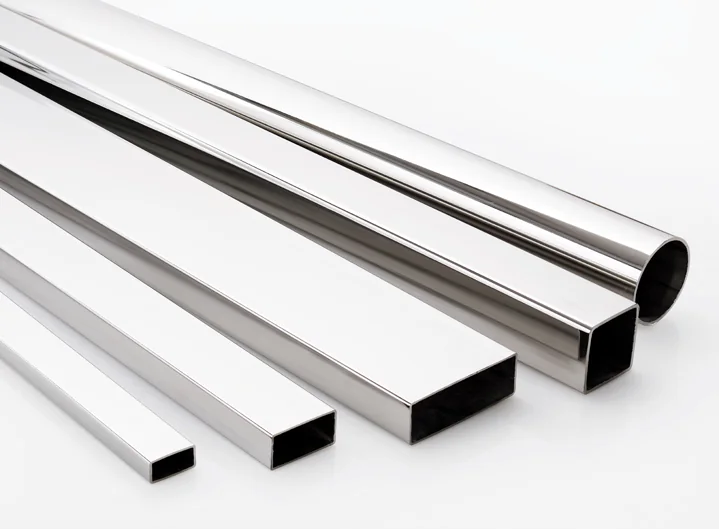
Keep product form and finish language together
The line begins with the product noun. Is it pipe, round tube, square tube or rectangular tube? Similar finish words appear in all four markets, although their standards and dimensional conventions need not match. Add standard and edition before the finish note.
Next, draw a boundary around the work. Outside only, bore, ends, or selected faces? “All surfaces” sounds safe until the inspector cannot see the inside by the agreed method. Split internal cleanliness from external appearance when they need different checks.
The round tube sourcing page helps establish product form. The material test report guide covers identity and document review. Neither page replaces a finish schedule; use them to keep different decisions from collapsing into one vague line.
Replace adjectives with controlled references
Choose a reference both parties can retrieve six months later. A tagged metal sample can control texture and direction. A photograph may show where the sample applies. A standard designation may supply shared terminology. Write the job of each reference beside it.
Move the same piece from daylight to a warehouse lamp and its gloss changes on screen. Compression hides fine scratches; white balance shifts colour. Keep photographs for orientation unless the approved method says otherwise. A physical sample is only better when its tag, approval date and storage location remain intact.
ASTM A480/A480M is a source of general requirements for flat-rolled stainless products and familiar finish terminology. That vocabulary can help, but a flat-product designation alone cannot settle acceptance for a fabricated pipe or tube. The order has to connect product standard, process route and project reference.


Define direction, continuity and visible faces
Directional finishes need an arrow. Show whether the grain follows the length, wraps around the circumference or uses another orientation. On a frame, also show whether neighbouring members should line up after mitring and welding.
Shade the visible zone on the drawing. One assembly may show a single face of square tube; another may expose three. A round section has no face label, so mark clamp zones, label zones and areas altered by later fabrication.
Finally, set the comparison boundary. Is the inspector comparing one piece, a completed assembly or several bundles? Where parts are joined, say who judges the blended transition. Surface, direction, comparison unit—three short fields that do real work.
Account for cutting, welding and handling
The supplied finish is not necessarily the installed finish. Cutting marks ends; bending changes reflection; welding leaves heat tint and a repair zone. Grinding may flatten a local texture. Protective film is not a magic shield either—ask where it is applied, when it comes off and how it behaves in storage.
Use two columns for later work. In the supplier column, list cutting, drilling or welding and show the surface expected afterward. In the buyer column, record downstream fabrication and the protection that must survive until then.
Be careful with “restore original finish.” Which original—raw tube, approved sample or pre-weld area? Without that reference and a comparison method, the instruction only sounds precise.
Write defect language that can be applied
“No defects” collapses as soon as someone uses a magnifier. Name only the surface features that matter to this job—perhaps scratches, dents, pits, contamination, handling marks, weld colour, wandering grain or a visible blend line.
For each one, say where and how it is judged. A rail may use an agreed viewing distance and light. Another project may compare against a panel or instrument reading. Pick the method for a reason; a made-up number does not become professional because it has a decimal place.
Then answer the repair question. May the supplier blend a local mark? Who sees the repaired zone, and can a named project role accept a cosmetic concession? Documented judgment beats invisible rework.
Connect the finish to packing and release
A surface can pass on Friday and arrive scratched on Tuesday. Match separators, sleeves, film and end protection to the actual handling route. “Premium packing” tells the receiver nothing.
Use the export packing checklist to connect surface protection with bundle identification and receiving checks. Keep inspection evidence and packing evidence distinct. A finish report records the accepted condition; packing photographs show how that condition was protected before dispatch.
At release, take the buyer’s view. Can the receiver identify the approved finish reference, locate the correct bundle and know which surfaces to check first? If not, the paperwork is still too detached from the product.
Put a compact finish block in the RFQ
The final block can fit on one page:
Have the bidder read the block back and isolate deviations. Ten clear lines beat twenty brochure pages of finish names.
- product form, standard and edition;
- grade or material designation;
- dimensions, length and quantity;
- finish designation and controlled reference;
- outside, inside, ends or named visible faces;
- grain direction and continuity requirement;
- supplier and buyer fabrication steps;
- defect families and inspection condition;
- sample identity or approval route;
- permitted rework and concession authority;
- protective packing; and
- required records and traceability.
Technical references
Questions buyers ask
Is “brushed stainless” a complete finish specification?
No. It suggests an appearance, but leaves product form, reference, direction, visible zones and inspection open. Put those decisions on the drawing and RFQ.
Can a photograph be the approval sample?
Use it to show orientation or location. Cameras, lamps and screens distort appearance, so colour, gloss, texture and scratch acceptance need a controlled sample or another approved method.
Should the inside and outside use the same finish language?
Not automatically. Access, service and inspection can differ. Describe each required surface separately and connect it to the governing product and project documents.
What should the supplier confirm in the quotation?
The quotation should read back finish, reference, affected zones, post-fabrication condition, inspection, protection, records and deviations. It must also confirm what processing is currently available for this item.